




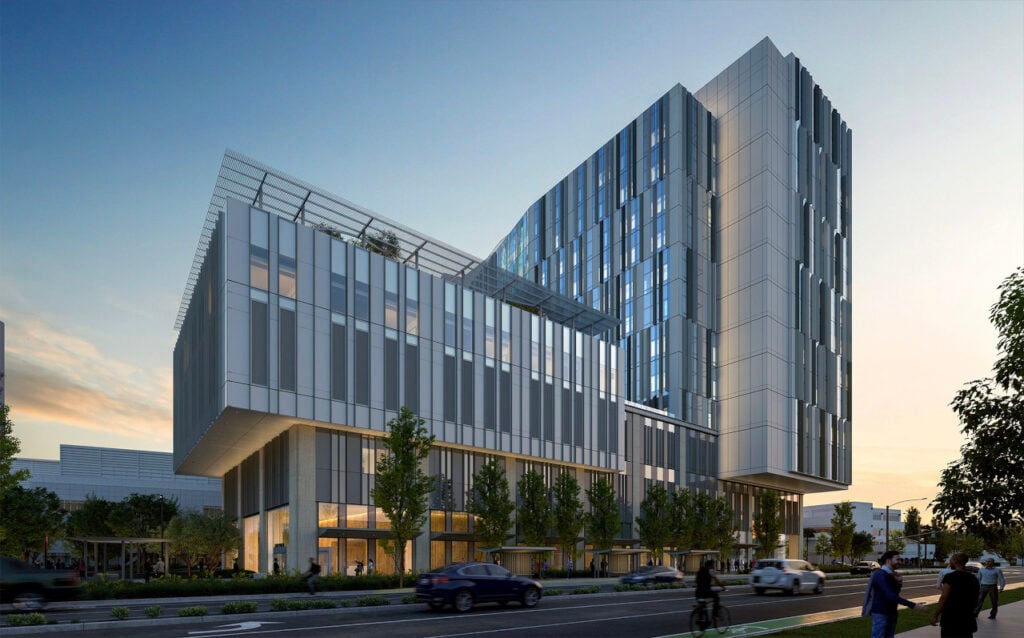
When the design team for UC Davis Health’s California Tower (Figure 1) began planning the facility’s lighting system, it had a unique advantage just down the road: a university research center with 15 years of experience building and studying full-scale mock-ups of clinical spaces. Rather than joining as commercial consultants, the co-directors of the UC Davis California Lighting Technology Center (CLTC) served as faculty advisors, bringing public-service expertise to the design team. Over the course of five years, CLTC’s expertise and laboratories were available to integrated design firm SmithGroup, UC Davis Health as owner, and the contractors who would build the tower. This collaboration yielded far more than a technical specification; it produced consensus across stakeholders to implement comprehensive, building-wide circadian supportive lighting environments rather than limiting it to a single pilot floor or room.
Unlike traditional illumination, circadian lighting is engineered to trigger non-visual, physiological responses within the human body.1 By stimulating receptors with higher-intensity, cooler light during daylight hours and removing stimulation with low-intensity, warmer lighting at night, the system aligns indoor lighting stimulus with the body’s natural 24-hr clock. In medical settings, that alignment has been associated with addressing sleep and other disorders in patients.2
This multidisciplinary synergy is why the California Tower project succeeded. A design firm relying solely on published literature and industry precedent faces a moving target of disputed metrics and product claims. A research lab can scientifically prove a circadian lighting concept in a controlled mock-up, but it can’t reconcile those findings within a wholistic lighting system with diverse criteria, real-world capital budgets, and maintenance protocols. Bringing together the CLTC, SmithGroup, UC Davis Health, and contractors to deploy circadian supportive environments represents an alignment of research, design, and construction within the healthcare sector.
Building the Evidence Base
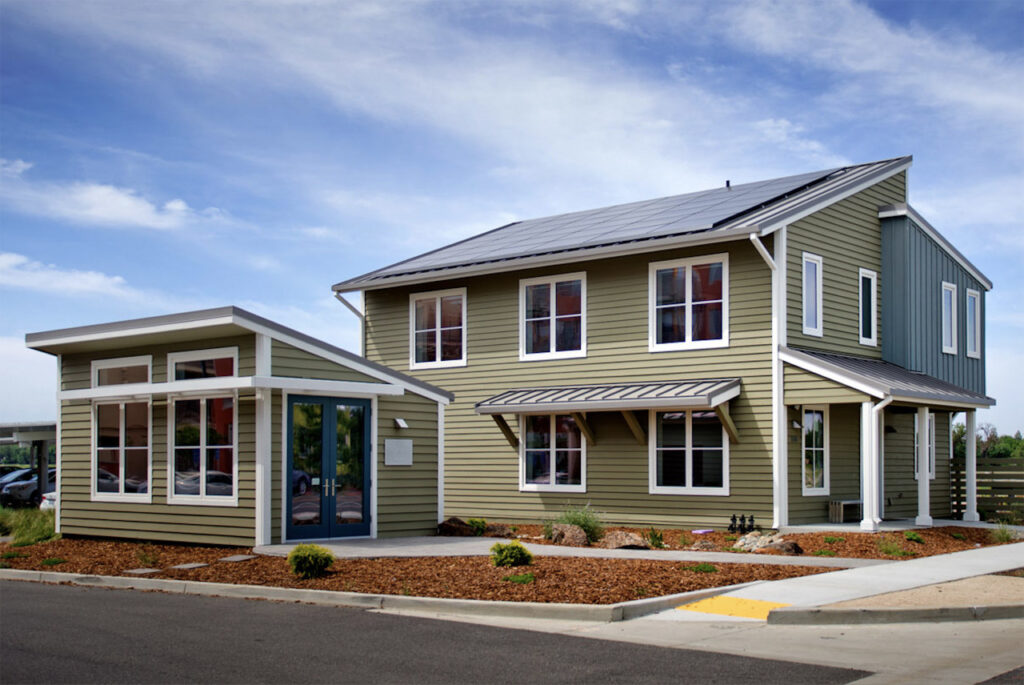
Long before the California Tower was planned, CLTC was laying the groundwork for advanced healthcare lighting. In 2010, Honda Motor Company sponsored the development of an innovative demonstration home at UC Davis called Smart Home. The Honda Smart Home (Figure 2) served as a research platform for advanced LED lighting, daylighting strategies, and adaptive lighting controls, with the goal of developing residential lighting protocols that support healthy circadian entrainment.3
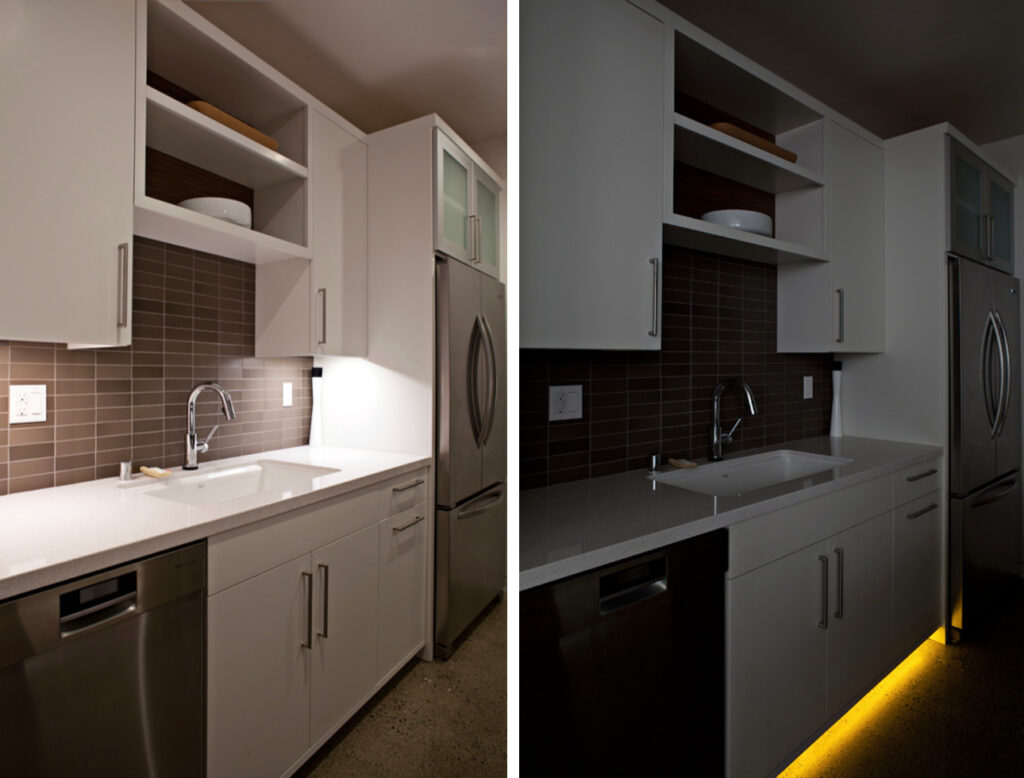
To emulate natural daylight, Smart Home paired passive daylighting with indoor LED lighting. During the day, ambient lighting provided a cool 5000K to mirror crisp daylight, suppressing melatonin to promote alertness and wakefulness. As night fell, the system transitioned to warm light sources of 2700K or lower. Positioned close to the floor, these low-level fixtures assisted with wayfinding while minimizing glare, preserving night vision, and preventing circadian disruption, as shown in Figure 3.
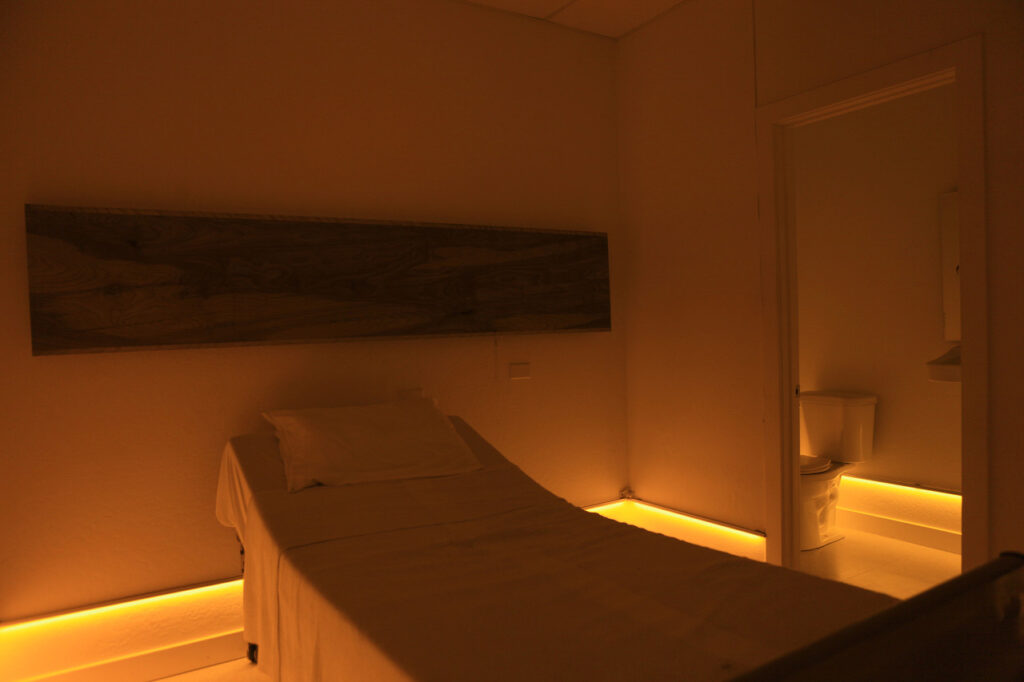
While Smart Home proved the concept in a residential setting, it couldn’t answer what happens in a hospital, where patients are bedridden and under continuous clinical monitoring. To bridge that gap, seed funding from the Sacramento Municipal Utility District (SMUD) allowed researchers to construct a full-scale simulated patient room and bathroom (Figure 4), along with a corridor at CLTC. The mock-ups enabled researchers to integrate and assess lighting systems with varying melanopic content, as well as test low-level nighttime wayfinding strategies designed to ensure patient safety while minimizing circadian disruption.
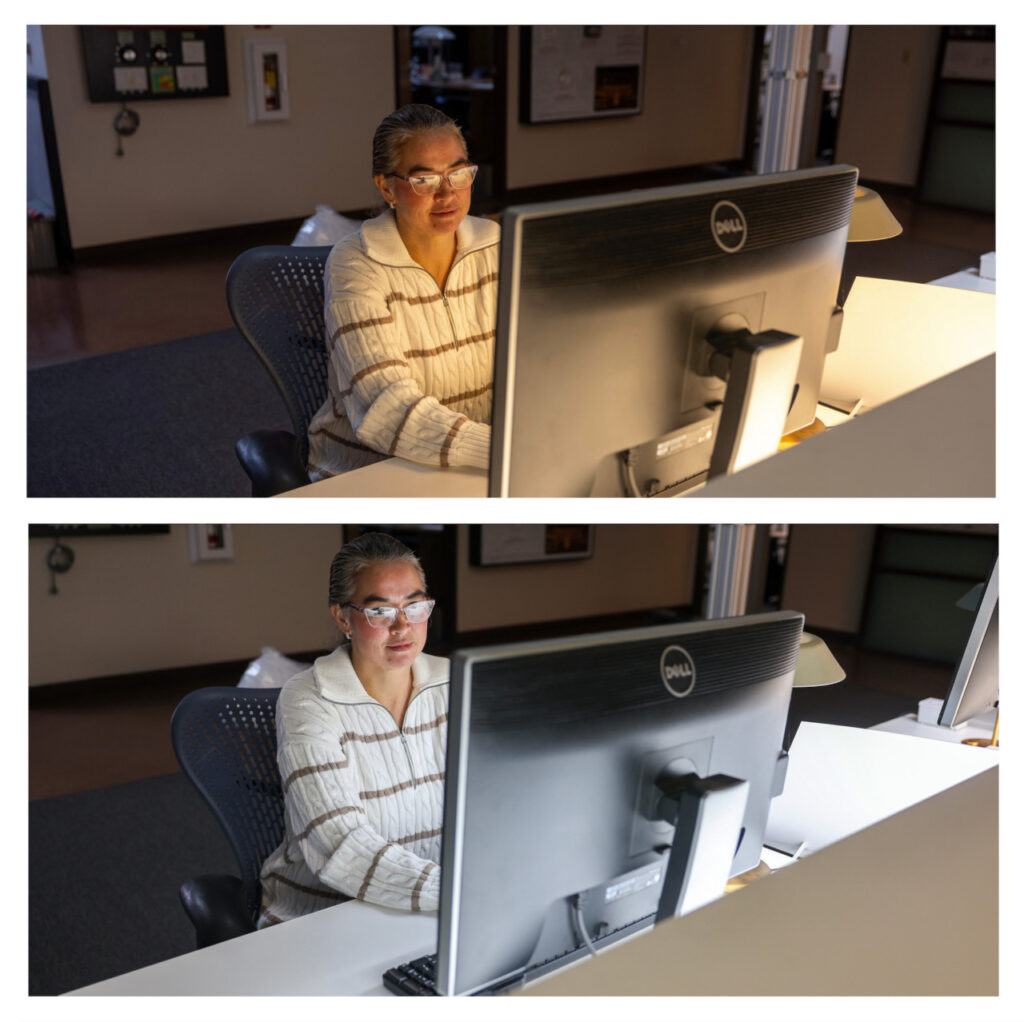
Additionally, funding from UC Davis Health allowed the team to construct a mock nurse station to evaluate task lighting solutions that maintain nurse alertness during night shifts without spilling high-melanopic, sleep-disrupting light into nearby patient spaces, as shown in Figure 5. Together, these platforms established something no literature review at the time could—that circadian lighting concepts are practically feasible to build, operate, and occupy. Equally important, they provided CLTC with physical models to demonstrate to design and construction teams.
A Towering Circadian Design Approach
When UC Davis Medical Center set out to design its new 334-bed hospital tower, UC Davis Health turned to CLTC to provide expertise in translating human-centric optical science into the built environment. Joining lead design firm SmithGroup at schematic design, CLTC served as technical advisor through design development, guiding the team on circadian strategies, spectral considerations, and lighting control options. Though the formal advisory scope concluded at the close of the design phase, active collaboration persisted through completion of construction documents. By embedding circadian research into the blueprint from day one, the collaboration yielded one of the region’s first large-scale healthcare facilities to systematically deploy biological lighting principles at an institutional scale.
A series of in-person working sessions hosted at CLTC brought designers, owners, and contractors directly into full-scale mock-ups. Standing in a simulated patient room experiencing a warm 2200K continuous toe-kick accomplished what plans, sections, or render views could not; once owners and contractors experienced firsthand how easily they were able to navigate with such little illumination, they stopped treating ultra-low, nighttime lighting as an unnecessary additional layer.
This success relied on a clear division of labor: SmithGroup established design direction and performance targets, while CLTC provided research-based insights, suggestions, and mock-up environments. The design process was collaborative with ideas and strategies flowing between the researchers and design team, but final design direction remained strictly with UC Davis Health and the project design build team. This collaborative approach enabled the team to deliver an informed lighting strategy that transitions seamlessly from day to night.
The Design Response
Recognizing lighting’s additional role as a circadian stimulus, the project team implemented strategies that support both circadian and visual requirements. During the day, circadian impact spaces leverage daylight or high-CCT electric light as necessary in the upper visual hemisphere to stimulate the natural circadian cycle and support alertness. At night, these spaces transition to less intense, warmer lighting in the lower visual hemisphere to reduce circadian stimulus and sleep disruption.
To ensure strategies are achieving their intended circadian impact for the California Tower, SmithGroup conducted circadian stimulus-focused lighting analyses. The design solutions leverage daylighting wherever possible, with low-melanopic nighttime illumination to safeguard melatonin secretion. Additionally, task-focused lighting approaches were utilized where circadian requirements for staff differed from those of nearby patients. Although the building will not be occupied until 2030, the following breakdown illustrates how individual studies shaped the final design choices.
Patient Suite Lighting Design
General lighting in the patient room was achieved with wall-wash slot lights, along the head and foot wall (Figure 6). This system uses 2700K light sources providing a comforting, low-glare approach. When combined with daylight, it produces 250 Melanopic Equivalent Daylight Illuminance (EDI). This system was integrated with an intuitive scene controller that allows the illuminance levels to be greatly reduced during the early evening to support circadian wellness with a maximum of 10 Melanopic EDI.
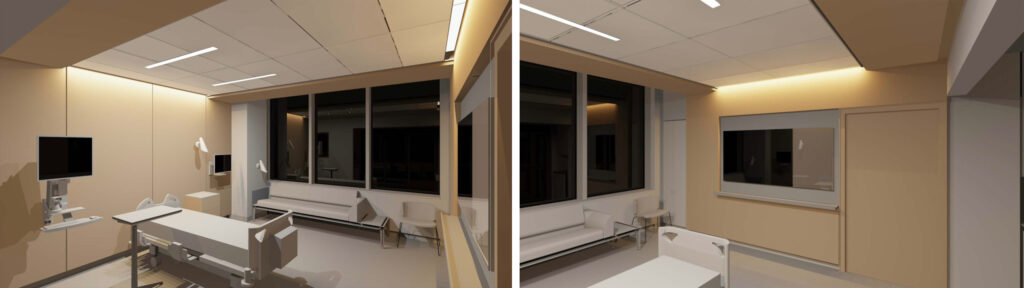
A 2200K linear toe-kick light at the floor level along both the head and foot walls supports nighttime navigation while minimizing circadian stimulus and potential rhodopsin bleaching (to maintain dark adaptation/night vision), as shown in Figure 7. This approach produces a maximum of 1 Melanopic EDI and additionally serves as a visual reference plane improving spatial orientation and identification of obstructions during patient navigation to and from the bathroom.
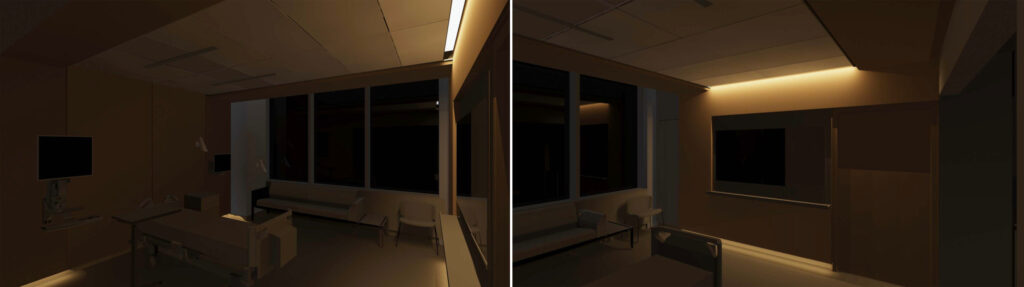
In addition to general and nighttime lighting, an examination lighting layer in the ceiling was incorporated to provide higher light levels at 3500K, required for clinical examinations and patient care. This strategy allows caregivers to access task-appropriate illumination when needed while minimizing unnecessary circadian disruption during routine night-time periods.
In patient bathrooms, 2700K warm downlights placed over the shower and toilet areas provide general lighting. For nighttime navigation and bathroom use, a 2200K step light positioned near the entryway allows for safe movement while limiting circadian stimulus. Because of their low wattage and limited circadian stimulus, step-light and toe-kick nightlights can be on throughout the night, reducing the potential to inadvertently trigger the circadian disruptive overhead fixtures.
Together, these strategies balance circadian health, patient safety, staff effectiveness, and clinical care requirements, creating a lighting environment that supports both healing and operational performance.
The Nurse Stations
These locations presented a unique challenge due to the competing circadian stimulus targets of nursing staff and adjacent patient rooms. During daytime operation, the lighting system leverages higher ambient illumination, achieving 136 Melanopic EDI while prioritizing alertness and cognitive function (Figure 8).
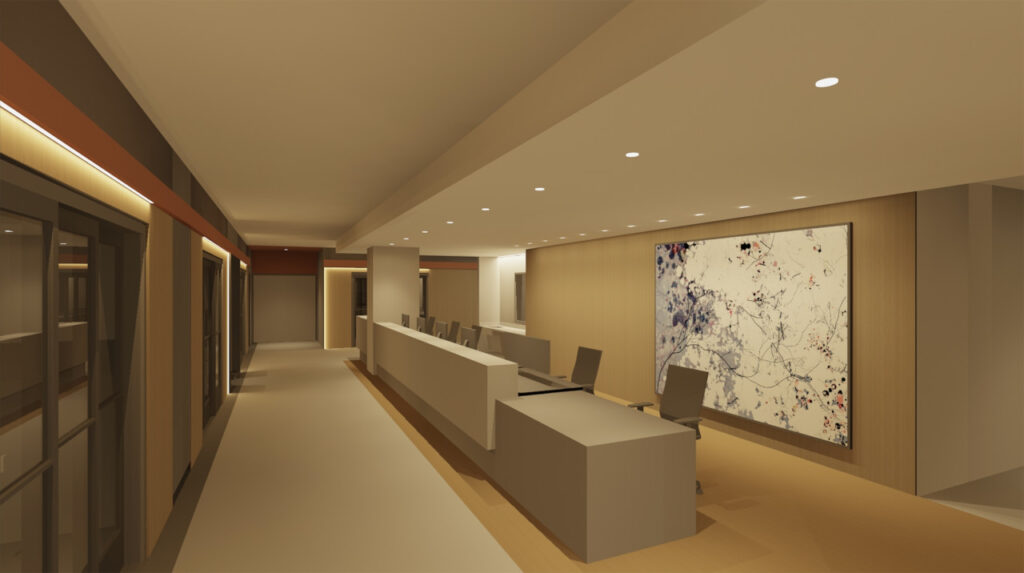
For nighttime operations, the lighting system drops ambient illumination, reducing circadian exposure to a maximum of 10 EDI. This reduction prevents intrusive light spill into patient recovery spaces, protecting patient sleep cycles. To support night-shift nursing staff circadian needs without negatively impacting adjacent patient spaces, localized spectral tunable task lighting was designed allowing nursing staff to personalize their circadian exposure.
A Valuable Collaborative Model The UC Davis Health California Tower bridges decades of academic lighting research with large-scale clinical execution. By translating early demonstration principles from UC Davis’s Smart Home and CLTC testing facilities into an acute care tower, the design team provided an improved standard for circadian lighting design. Through SmithGroup’s integrated approach—leveraging daylight illumination, continuous low-level nighttime navigational lighting, and spectrally tuned task lighting—the facility balances the challenging visual requirements of hospital environments with wholistic circadian support for staff, patients, and the public.
It is important to clarify the project’s scope: this is a design project informed by scientific research, not a research trial itself. The tower includes no controlled clinical studies, no formal post-occupancy evaluations with CLTC, and no claims of specific health outcomes. Instead, it serves as proof of concept, demonstrating that scientific research can be successfully scaled into a major acute care facility.
The collaboration has already proven a crucial point: Circadian criteria can successfully survive the transition into a working hospital design. This translation relied on sustained partnership between design team and research lab leveraging the strengths of each to build consensus among the owner, designer, and builder. This collaborative model may be the project’s most valuable takeaway.
THE AUTHORS
Veronica Then is the digital communications specialist at the California Lighting Technology Center.
Matt Alleman is senior principal at SmithGroup’s Lighting Design Studio in Los Angeles.
Nathan Sharnas is an associate at SmithGroup’s Lighting Design Studio in Los Angeles.
Cori Jackson is responsible for planning, budgeting, scheduling, and monitoring California Lighting Technology Center research projects.
Michael Siminovitch is professor and Arthur H. Rosenfeld Chair emeritus at the University of California, Davis and past president of the IES San Francisco Section.
Jae Yong Suk is the director of the California Lighting Technology Center and a professor at the University of California, Davis.
References
- Yukun Dong et al. “A Long-Term Evidence-Based Study of Circadian Rhythm-Oriented Control Strategies for Office Luminous Environments.” Building and Environment, vol. 285, 2025.
- Christine Blume et al. “Effects of Light on Human Circadian Rhythms, Sleep and Mood.” Somnologie, vol. 23, no. 3, 2019, pp. 147–156.
- Andy Fell. “Honda Smart Home at UC Davis West Village Offers Vision for Zero Carbon Living.” UC Davis News and Information, Mar. 25, 2014.