

Princing, AI, color, quality, standards, and trade-shows—there’s no shortage of industry topics for us to debate endlessly. And we do talk, sometimes obsessively. But almost no one talks about photometric software. In North America, AGi32 is the default. And we do mean default. It’s not an active choice made by designers or design firms. It’s not even considered something to think about; it’s there, set in stone. How did an entire industry defer to a default software?
In 1984, Lighting Analysts was founded in Littleton, CO, with the mission to build photometric software designed to run on microcomputers. Early products such as Isopoint and AGI-DOS made accurate efficient lighting calculations available to small firms without access to the large mainframes previously required to perform such analysis.
By 1997, Lighting Analysts released AGi32, which was supported by the newly developed Helios Radiosity rendering engine and operated on 32-bit computing architecture. It took the industry by storm because it worked, and it was built for how the industry operated in the 1990s, allowing for AutoCAD files. The software’s support was also known for being responsive. Lighting Analysts created a reliable and widely taught software that gained trust for its accuracy. It is embedded into universities, commercial workflow, and even into some municipality requirements. Similar to how Internet Explorer was the default Internet browser throughout the 1990s and 2000s, AGi32 was the default tool for the North American lighting industry.
What’s Changed
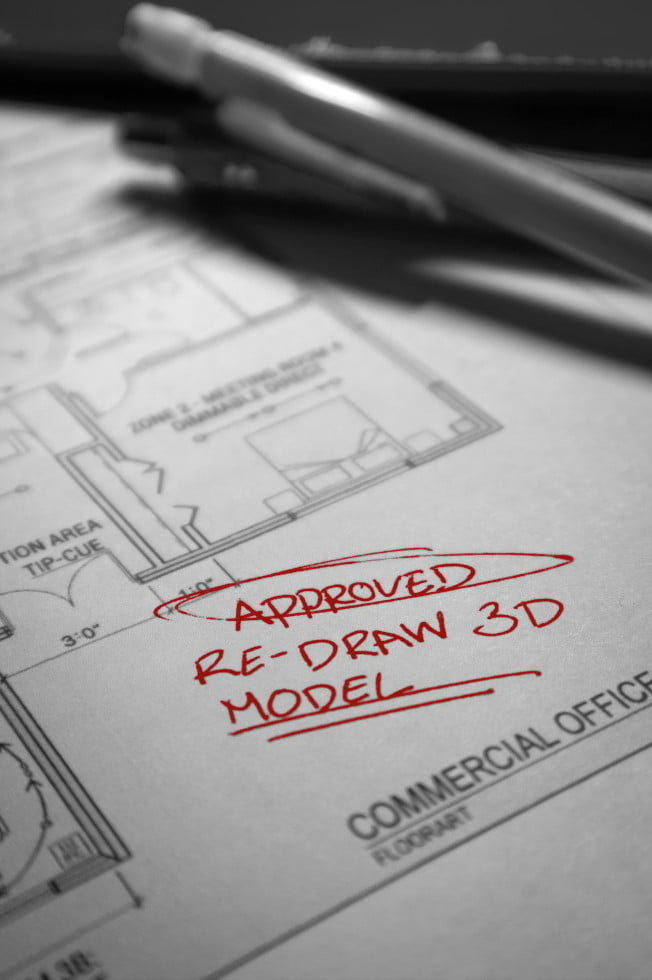
In the early 2010s, universities started teaching Revit as the primary design documentation software. While the entire architecture, engineering, and construction (AEC) industry is still using both AutoCAD and Revit backgrounds, Revit is quickly becoming the most common type. To deal with the limitations of AGi32, most designers end up exporting their 3-D Revit model to 2-D backgrounds to bring into AGi32. Then, they reconstruct the 3-D model manually in a laborious process. Much of the data that was lost in the 2-D conversion is never recreated. No one signed up for the lighting industry to perform the tedious task of recreating a 3-D model that has already been created in much more detail. Unfortunately, AGi32 capabilities do not match a modern Revit workflow.
In June 2021, Lighting Analysts was purchased by Revalize, a mix of different AEC-based software platforms assembled by Boston-based private equity firm TA Associates. Private equity ownership isn’t bad, but it does change the trajectory of a software. The focus becomes exit multiples, not feature roadmaps or supporting any industry initiatives. In other words, the likelihood of seeing any significant new features or Revit integration, let alone AI integration is small, to say the least. Investment firms typically only hold on to their assets for three to five years before they sell again. The five-year mark was this summer, so we may expect to see AGi32 ownership change again.
While a niche tool—AGi32 sits inside a portfolio being optimized for resale—the questions everyone should be asking are: Who is developing photometric software for me? Who is making the updates to support the latest industry standards, based on emerging research? Who is modernizing my workflow? If it’s not the company I’m currently using, should I consider switching?
The Inertia Problem
The lack of worry or even discussion about our photometric calculation options isn’t just negligence, it’s the natural inertia of having a deeply embedded tool. AGi32 “still works.” It does what it’s always done, bringing in CAD backgrounds. But “still works” and “actively serves the industry” are not the same thing.
Fear of switching software stops many people in their tracks because it is not an easy task. It means setting aside decades of experience and familiarity to start all over again. The risk of losing that security blanket is difficult to balance against the potential for process efficiency gain. Firms would rather stick with the devil they know.
So how does the industry get over the inertia? With our youngest generation, of course; universities are the key to unlocking inertia. Over the last two years, Penn State University, the Milwaukee School of Engineering, the University of Oklahoma, Montana State University, the University of Texas at Arlington, the University of North Texas, the University of Southern California, Purdue University, and Oregon State University have all ditched AGi32 and adopted newer platforms in their curricula. Even when not taught in the classroom, students are independently choosing newer tools, as we often rely on them to do. Internet Explorer didn’t fade away because it stopped working, it disappeared because the next generation never started with it. When the next generation of designers and specifiers arrive, not trained on AGi32, the industry’s stance on photometrics will change whether it gets talked about or not.
Can I Trust the Results?
Accuracy is the first and most legitimate objection to switching calculation software. AGi32 has been the standard because it has been so highly regarded for so long, but accuracy isn’t a product of age; it’s a property of validation. AGi32 isn’t the only software on the market with a thoroughly validated engine. Any commercial engine can and should be benchmarked against measured data.
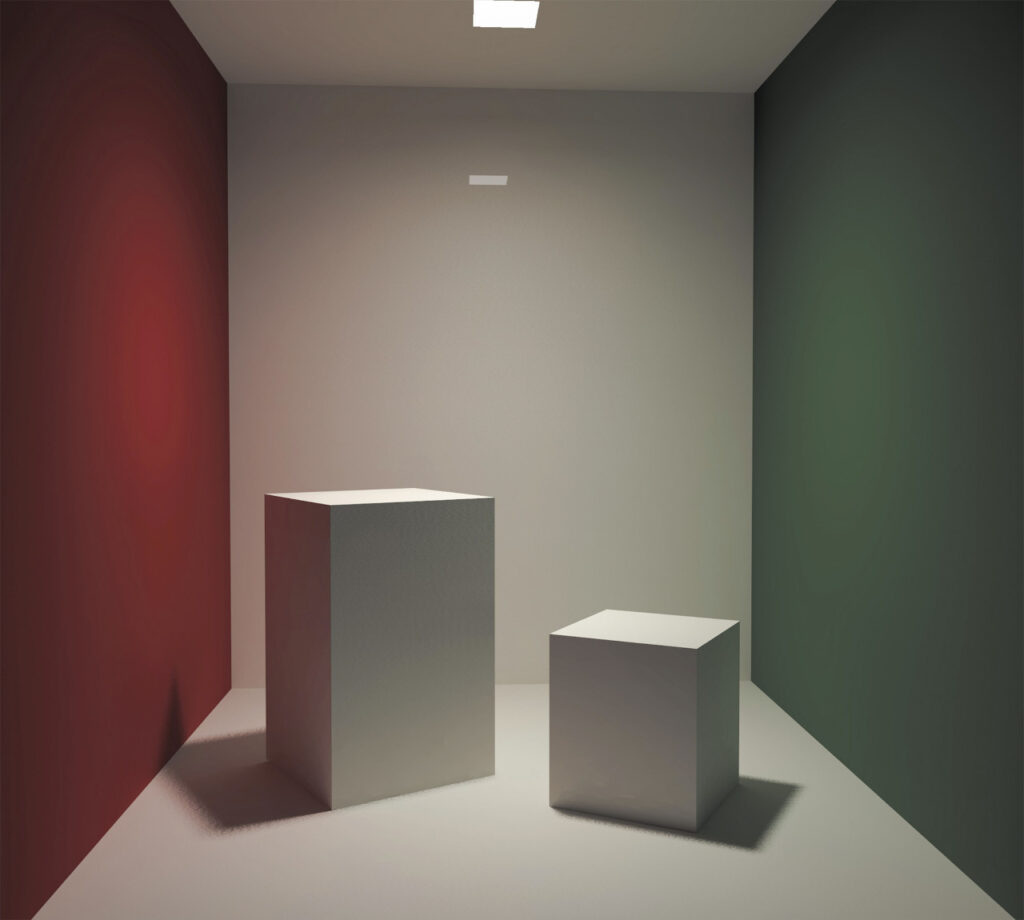
The Radiance engine used by competing technologies is widely considered the gold standard for accurate architectural lighting and daylight simulations. Furthermore, it has been validated against the standardized analytical benchmarks defined independently in CIE 171:2006, Test Cases to Assess the Accuracy of Lighting Computer Programs. Beyond standard benchmarks, it is also a test designers can conduct by comparing it to the results received from AGi32 on real-world projects. Or better yet, designers can ask the authors of the software why it should be trusted. Have them show their validation methodology, error metrics, and alignment with IES calculation standards. Don’t trust blindly but do make sure you’re actively entrusting your photometric calculations to the right tool.
If you do go looking (and we think you should)—even if only to confirm your current practices—evaluate your options against how you could best be working today, not how the industry worked in 1997. Does the software read your most common background type natively or does it force an export that causes data loss? Does it trigger a manual rebuild? If a 2-D file is all you have, can it make the 3-D model for you? Does it keep pace with evolving standards and metrics such as TM-30, circadian metrics, annual sunlight calculations for artwork, and updated daylight and roadway lighting requirements? How often is the software releasing meaningful updates? When you encounter a problem at 4:45 p.m. on a Friday, can you connect with a human support professional? And critically: Does the developer want your feedback, or has the suggestion box been welded shut for a decade? What, if any, of this is important to you?
The Opportunity
There’s more to photometric software than AGi32. Seriously, when was the last time you looked at your options? New tools are actively being built, with modern processes in mind, including cloud-based workflows, native Revit integration, and in-app support to name a few upgrades. Newer platforms, not caught in decades of legacy stagnation, can break through the inertia and build something that serves individuals, firms, and the industry better. More importantly, they want to incorporate your feedback into their product.
The designers who choose to engage now in a post-AGi32 world, bringing their workflows, frustrations, and wish lists to the table will effectively co-author the next generation of photometric software. Will you allow the default software to continue to just get you by or will you begin selecting your modern photometric future?
THE AUTHORS
AJ Gorman is business operations manager at LightStanza.
Matt Kincaid is senior account manager at LightSanza.